As a real estate agent working in Jerusalem, I often hear the same questions from clients: “With all the construction happening, will there be too much supply? Are we heading for a market correction? Is it risky to buy now?” These are smart, responsible questions, and they deserve honest answers.
Let’s break down what’s really happening in the Jerusalem real estate market and what buyers should expect over the next five years.
Yes, there’s plenty of construction going on, but supply is still behind the demand
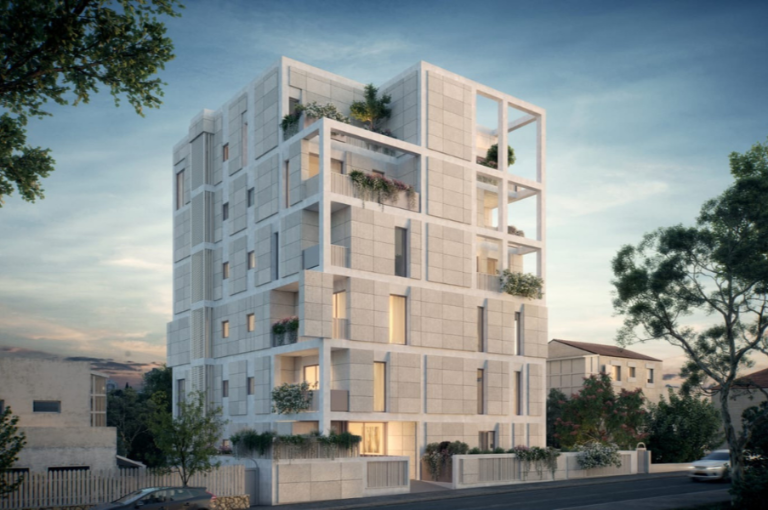
From cranes dotting the skyline to Pinui-Binui (urban renewal) projects in older neighborhoods, it’s clear that Jerusalem is undergoing a major transformation. But here’s the critical information that you must understand: much of this construction is playing catch-up. For years, building in Jerusalem was slowed by bureaucracy, zoning issues, archaeological concerns, and a lack of available land.
Even now, many of the projects underway will take 5–10 years to fully materialize and most are already pre-sold. The additional supply they bring will help meet demand, but it’s unlikely to exceed it. In fact, in many desirable neighborhoods, available units are already spoken for long before completion.
Who’s driving this demand? It’s definitely not just local buyers. Jerusalem’s demand has always been consistently from:
-Olim (new immigrants) planning to settle in the capital
-Foreign buyers from North America and Europe
-Investors seeking long-term stability in uncertain global markets
-Young families who want to stay close to their roots
This broad, diverse demand base makes the market more resilient than others that depend heavily on speculative investors.
Yet, a lot of customers still wonder, is a price drop coming? Unlikely, and here’s why:
Even with more units being built, several factors continue to support long-term price stability or growth:
1. Construction costs are rising, especially for materials and labor. Developers are unlikely to lower prices when their own margins are tight.
2. Desirable areas remain limited. Not every new development is in a prime location. Buyers still compete fiercely for central neighborhoods and those with character, views, and the full amenities they’re looking for.
3. Land is still scarce, especially in the city center and around historical locations. This keeps long-term supply constrained.
So the final question remains, what about a bubble?
A bubble is when prices rise unnaturally because of speculation, not because of actual value. That’s not the case here. While prices have risen consistently, they reflect real, ongoing demand for a city that holds spiritual, cultural, and economic importance for millions of people.
Moreover, most buyers today are not over-extending. Banks in Israel are conservative in their lending, and mortgage regulations are tight. That reduces the risk of a market collapse.
Therefore, what I would suggest to buyers, and what I’ve been saying all along is, if you’ve been waiting for the “right time” to buy in Jerusalem, consider this: the market is shifting, but not in the way many fear. As new projects develop, prices in some peripheral areas may level out, but in central or high-demand neighborhoods, values are likely to climb even higher. Buying today means securing your position before the next wave of appreciation, and while mortgage rates and developer incentives are still favorable.
To sum up in one sentence, Jerusalem remains one of the most stable long-term real estate markets in Israel and arguably the world.
If you're thinking about buying in Jerusalem, now is the time to make an informed, strategic move, not to sit on the sidelines waiting for a dip that may never come.
Let’s talk about the opportunities that exist today and how to make the most of them.